

Description
These Beautiful Cuddly Little Balls of Fluff Don’t Just Look Cute, They Lay Eggs Too!
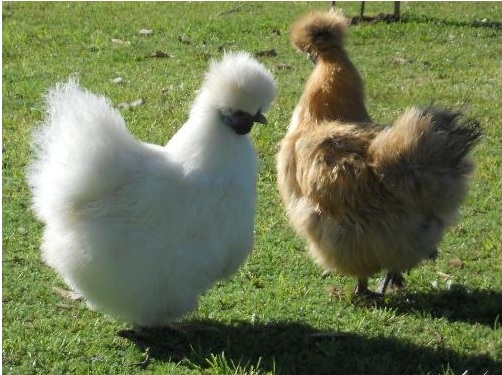
It’s thought that Silkie chickens originated in Asia and that Marco Polo brought them to the West in the 13th or 14th Century. They have been loved by families and children ever since! If you are a keen gardener, Silkies are opposite and don’t tend to forage amongst your prized annuals and seedlings like other chickens. We most often have over 50 silkies with varieties of colors in stock.
Silkies are very unusual looking chickens. Their feathers are missing the barbules that hold them into the traditional rigid feather. Their feathers appear to look like hair.. They also have black skin, bones, five toes and feathers on their feet!
Dates we say avail on our website are the dates we update our stock ( when there avail to sell would be from the next day after the Monday stated on the “dates avail on site”, but Tuesday, closed Mondays) with 100 new silkie arrivals. Mostly always avail.
 |
Makes a great family pet |
 |
Great for children to raise |
|
Affectionate |
|
Extremely placid nature, docile |
|
Requires little handling to tame |
|
Lives well housed together |
|
Gets on well with other breeds |
|
Often low in the pecking order |
|
Fair layer (3 to 4 eggs a week) |
|
Very small cream to very light brown egg (2 to 3 Silkie eggs equal one regular chicken egg) |
|
Makes a good mother (known to go broody) |
|
Will raise other chickens eggs |
|
Hardy – suited to hot or cold climates (Must be kept from getting wet in stormy weather) |
NOTE: Chickens take time to hatch and grow. To make sure we do not have overcrowding or unwanted stock, we hatch according to anticipated demand. For this reason some ages or even breeds may not be available all the time. The available ages are clearly indicated below in the “Choose Your Chickens Age” dropdown box.
Reviews
There are no reviews yet.